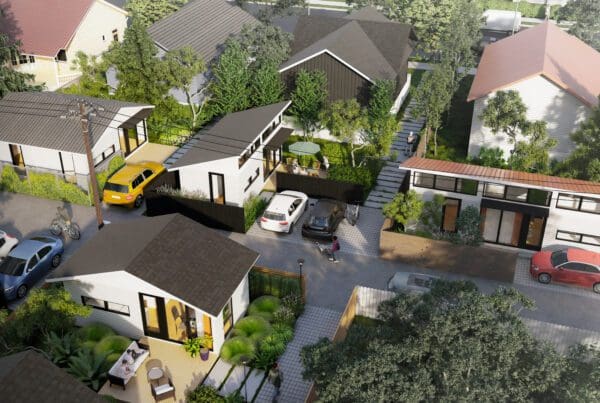

Attached Accessory Dwelling Units (ADUs) and Detached Accessory Dwelling Units (DADUs) are becoming increasingly popular to build around the country. Permitting for ADUs and DADUs will vary based on where you are building and the local laws and regulations in your area. Understanding what permits are required is an important first step in planning your project, as delays in permitting are the number one thing that slows these projects down.
What permits are needed for an adu/dadu?
Most ADU and DADU projects require several permits, not just one. Construction permits, land use permits, and utility permits are all commonly part of the process, depending on the scope of your project and where you are building. For the most accurate details on your specific situation, contact your local municipality. What is required in Seattle may be different from what is required in Bellevue, Redmond, or elsewhere.
Before you can think about permits, you also need to have an idea of your design. The size of the unit, where it will sit on the lot, how utilities will connect, and whether you are building attached or detached all affect which permits apply. Our team at Haas Development and Construction can help you learn more about your options or help you through a custom design.
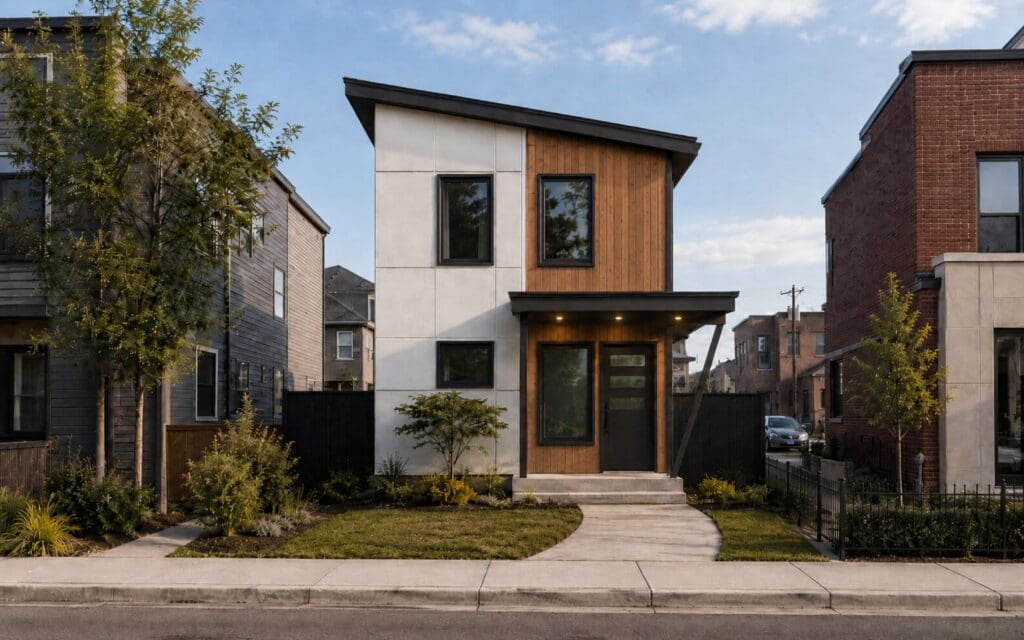
Types of Permits Typically Required
A construction permit is the core approval covering structural work, foundations, framing, and general building code compliance. A land use or zoning permit confirms the project is allowed under local zoning rules. Separate electrical, plumbing, and mechanical permits are required for any new systems in the unit. And if you are connecting to city water and sewer, a utility connection permit might be required as well.
City of Seattle DADU Permit Requirements
Seattle has become one of the most ADU-friendly cities in the country. Changes to local zoning laws aimed at increasing housing density have loosened restrictions and made it easier for homeowners to add ADUs and DADUs to their properties. The City of Seattle also no longer requires owner-occupancy as a condition of ADU or DADU approval, which opened these projects up to investment properties as well.
All DADU permit applications in Seattle are submitted through the Seattle Department of Construction and Inspections (SDCI) via the Seattle Services Portal. To get started, you will generally need a site plan showing your lot and proposed DADU location, architectural drawings, structural drawings, utility connection plans, and in some cases a SEPA review depending on lot size and location.
The Difference Between Seattle ADU and DADU Requirements
ADUs are attached units, like a basement apartment, a converted garage, or an in-law suite that shares walls with the main home. Because you are not building a new standalone structure, the permitting process tends to be somewhat simpler, though electrical, plumbing, and mechanical permits still apply.
DADUs are detached structures, like a backyard cottage. Because they involve new construction, the full set of permits is required. Seattle has specific rules around DADU setbacks from property lines, maximum size, height limits, and lot coverage, all of which need to be addressed in your permit application.
How Much Do ADU Permits Cost?
Permit fees are easy to underestimate when your attention is on construction costs, but they are a real budget item. In Seattle, most permit fees are calculated as a percentage of the total construction value, so larger and more complex projects cost more to permit. Each permit type, including electrical, plumbing, and mechanical, carries its own fee. Utility connection fees through Seattle Public Utilities are billed separately from SDCI permits and can be significant, particularly for new sewer connections.
As a general estimate, ADU permits for interior conversions typically run between $2,000 and $6,000 in total fees. DADU permits for new detached construction can range from $5,000 to $15,000 or more when all permits are combined.

How Long Does ADU/DADU Permitting Take?
Permitting timelines are one of the most common surprises for homeowners going through this process. In Seattle, straightforward ADU permits typically take 2 to 6 months from application to approval. DADU permits for new construction usually run 4 to 10 months, and longer if revisions are required. Start the permitting process earlier than you think you need to.
Expediting the DADU Permitting Process with Pre-Approved DADU Plans
Given how much permitting affects your project timeline, anything that shortens the review process is worth considering. Pre-approved plans are one of the most effective tools available to Seattle homeowners.
What Are Pre-Approved Plans?
Pre-approved DADU plans are floor plans that have already been reviewed and approved by the City of Seattle. Because the structural, architectural, and engineering work has already been vetted, projects using pre-approved plans can skip much of the standard plan review process and move to permitting significantly faster. Seattle has actively encouraged this approach as part of its broader effort to increase housing density. The tradeoff is less design flexibility since you are choosing from approved configurations rather than starting from scratch, but when you work with our team at Haas Development and Construction, we can help you make your pre-approved plans feel unique and custom to your style and taste.
Haas Pre-Approved Plans
At Haas Development and Construction, we offer a selection of pre-approved DADU floor plans designed for Seattle lots. Choosing one of our pre-approved plans means a faster permitting process, a more predictable timeline, and designs that have already been built and proven in the Seattle market. Our team can help with the full permitting process, from application through final inspection.
Whether you are interested in a pre-approved plan or have a custom design in mind, reach out to our team, and we will walk you through everything you need to know for your project.